
Ultimate Guide to Living in Marbella: Pros and Cons in 2026

Have you ever considered living in Marbella but haven’t made the step yet?
I’ve asked my expat friends what their new life in Marbella is like, and if I had to summarise how they feel about it, they love it.
As a local, I wanted to get a non-biased opinion, and that’s what I’m sharing with you: the good and the bad.
But, overall, Marbella is a fantastic place to live – not only for retirees but also for young people who want a new experience in a new country and families looking for a good home base to raise their children.
Living in Marbella has many pros: the sunny weather, the variety of activities, the beautiful beaches, and the excellent international schools, among other reasons.
In this blog, you’ll discover the pros and cons of living in this city, the cost, and tips for starting your expat journey here.

This post contains affiliate links, and as an Amazon Associate, I earn from qualifying purchases. If you click through and purchase something, I receive a small commission on the price at no extra cost to you. This helps me keep the content up to date and make other improvements to the blog.
Pros of living in Marbella
Marbella has plenty of sunny days
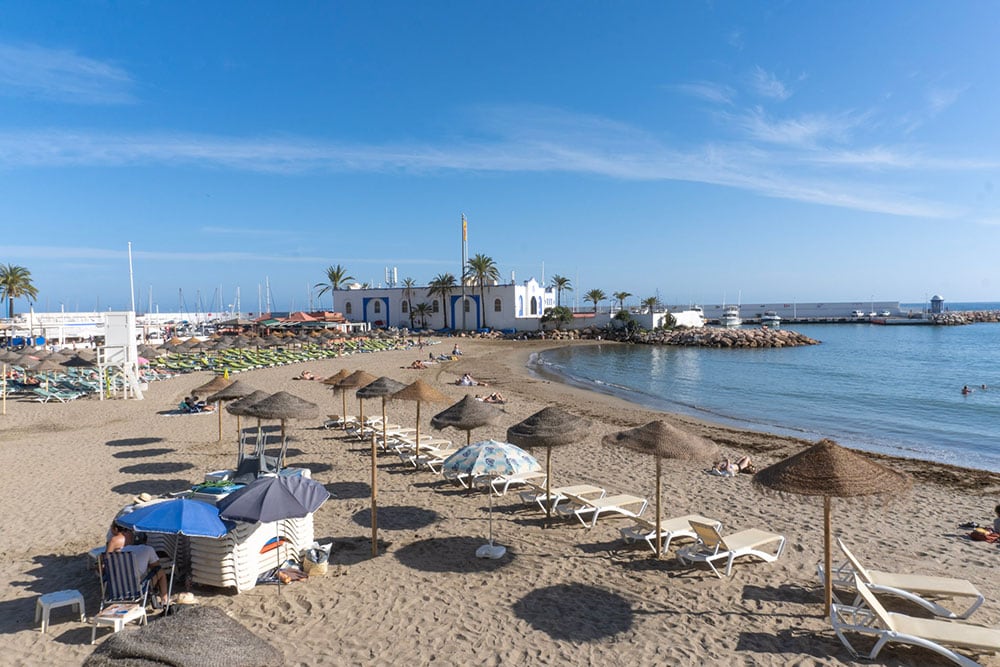
If you live in Northern Europe, I understand how much you miss the sunshine, especially in winter.
Having lived a good few years in the United Kingdom, I admit that I was incredibly missing the sunny weather.
Marbella and the rest of the Costa del Sol have plenty of beautiful sunny days with clear skies.
Although the weather is very hot in the summer, it is mild in other seasons. For example, you can enjoy an average temperature of 16 degrees Celsius (60.8°F) in Marbella in winter!
There’s a fantastic expat community
Marbella attracts many expats and digital nomads, and it isn’t a surprise because of the sunny weather all year round, its lively atmosphere and its beaches, among other reasons.
If you plan to move to Marbella, you can join Facebook groups to connect with other expats who organise regular events. They can introduce you to the city and give you tips. Also, you can make friends too.
The expat population in Marbella is big. It’s almost a third of the population, according to El Sur newspaper, so you can expect to meet people from all around the world, but especially from Russia, Ukraine and the United Kingdom.
What’s great about the Marbella expat community is that you can find people of all ages, which doesn’t happen in other coastal towns where the expat population tends to be older.
It’s safe

Safety is one of the main aspects to consider when moving to a new place.
Marbella is safe for travellers and expats. Although there are a few concerns about personal incidents in the town, especially in Nueva Andalucía, including Puerto Banus, my friends and I have never felt unsafe in Marbella.
Having said so, there’s a good chance that you’ve heard about drug dealers and mafia in Marbella.
The reality is that you can find these types of people in Marbella, and the police are very on top of these problems. However, if you avoid clubbing and the most problematic areas, it’s likely you won’t have any issues.
During the summer months, the police presence is higher since there are more people visiting Marbella.
It’s home to very good International schools
Expat families will be happy to know that Marbella has many good international schools.
If you’re considering moving to Marbella with children, you’ll check out the education offer for your kids.
There are two main types of schools in Marbella: public schools that offer the Spanish curriculum and private schools that provide a more personalised education.
Many private schools are international and teach the British curriculum, including:
If you’re looking for an international school teaching the authentic Montessori education, Casa Del Mar Montessori School is the best in Marbella. As a former teacher, I love this approach because it goes beyond learning in textbooks and the classroom; it prepares children to thrive socially, emotionally, and intellectually in the future.
This school has three stages that range from 15 months to 12 years old. Another thing to highlight is that children are exposed to both English and Spanish, which is essential for them to develop their Spanish skills and support what they learn outside school.
In addition to school hours, they offer extracurricular activities such as dance, cooking, foreign languages, sports, and an aftercare service.
It isn’t far from Malaga and other lovely towns

One of the advantages of living in Marbella is that it’s next to other beautiful coastal towns and picturesque villages.
If you get a car, you can easily explore all the Costa del Sol towns, go to the mountainside villages like Ojen (photo above), Mijas Pueblo and Frigiliana, or even go to other Andalusian cities like Granada and Cadiz.
Also, you can visit another country from Marbella: Gibraltar, which is a great day trip for families.
Even if you don’t drive, you can take a few day trips from Marbella coach station.
Marbella has beautiful natural spots
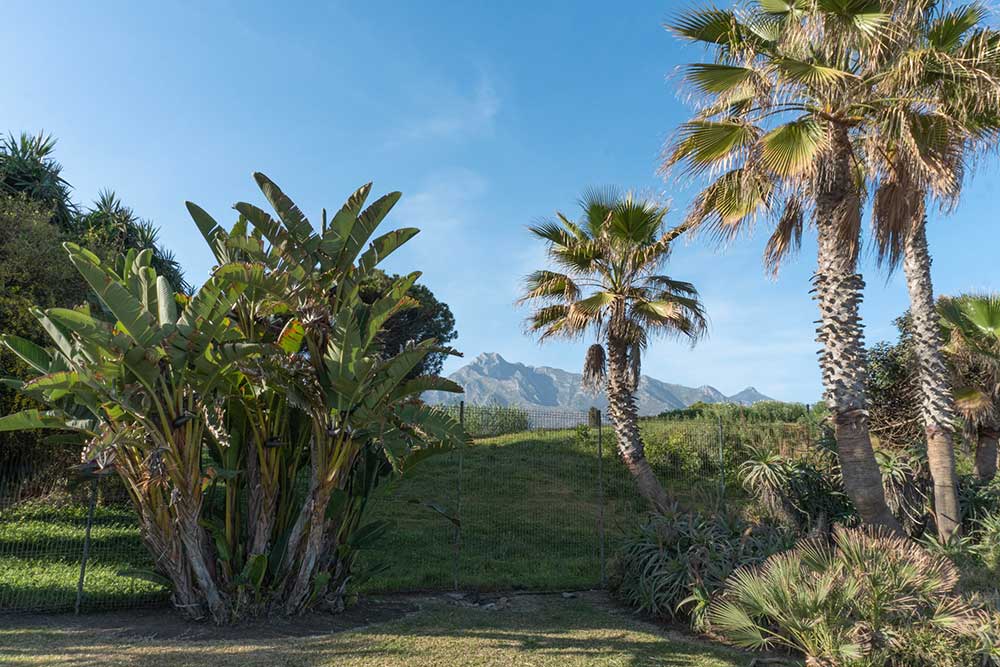
Another reason to move to Marbella is its natural beauty. Not only does Marbella have fantastic beaches, but it also has beautiful hiking trails and green landscapes.
You don’t need to travel far from Marbella centre to visit many of these places.
For example, the Cabopino dunes, where you can do a short hike. However, you can head to La Concha if you prefer more challenging hikes.
There are also relatively close national parks, such as Sierra de las Nieves and Sierra Nevada.
It’s perfect for shopping

If you love shopping, Marbella is the shopaholic paradise.
It’s home to a big shopping centre and numerous local independent and luxury shops.
La Cañada is the biggest shopping centre in Marbella. It’s located just outside the centre and has high-street shops like Zara, a food area and a cinema.
If you prefer to support local businesses, the historic centre of Marbella is your best option. I absolutely love the clothing shops there (see the photo above!)
Last but not least, head to Puerto Banús to treat yourself to exclusive clothes and the most luxurious jewellery.
Cons of living in Marbella
It’s more expensive than other coastal towns

Marbella is well-known for being expensive and is indeed more expensive than other towns in Costa del Sol. However, there isn’t a massive difference in food shopping or transportation.
Housing and leisure are where you’ll find the most significant price difference. Buying and renting in Marbella isn’t cheap, but the price will vary significantly in the area. In terms of eating out, Marbella is also more expensive than other towns in Malaga, including the capital.
However, if you come from cities like Paris, Oslo or New York City, you might find that some things are cheaper in Marbella.
Bureaucracy and paperwork are slow
One of the things that I dislike the most about my home country is how slow paperwork is compared to other countries.
Whether you want to buy a house, register at the local town hall or book an appointment, be ready to wait.
Not only are things slow, but document processing and paperwork are complicated, and if you don’t understand Spanish well, it can be tricky.
I don’t understand certain legal papers, so don’t think you don’t understand only because of your language skills. Some things are pretty confusing.
Whatever you need to apply for, please don’t leave it until the last minute.
It gets very busy in the summer months

Marbella and the rest of Costa del Sol receive the most visitors during the summer, especially in July and August.
Whilst the historic centre of Marbella is lovely to walk in, it gets very crowded in the summer, and your experience might be totally different from other times of the year.
The same happens with beaches. It’s more challenging to find a spot on the beach, and even more on Sundays.
If you use public transport, be prepared to queue a bit longer, and the same applies if you order in restaurants.
It’s very warm in the summer

Another disadvantage of living in Marbella is the heat. It isn’t for everyone!
Although I love summers in Marbella, let me tell you that as a local, I can’t stay out during the sun’s peak hours. The same happens to my family and other people I know.
Most locals won’t be outside between 2 pm and 5 pm; they’ll either have a siesta or chill at home with the aircon (unless they’re working, of course!)
People come out in the late afternoon for the beach and evening to leisurely walk on the beach promenade and dine at a restaurant.
That said, we’re lucky in Marbella since it’s cooler than other Costa del Sol towns. The reason behind it is its microclimate.
The transportation isn’t the best
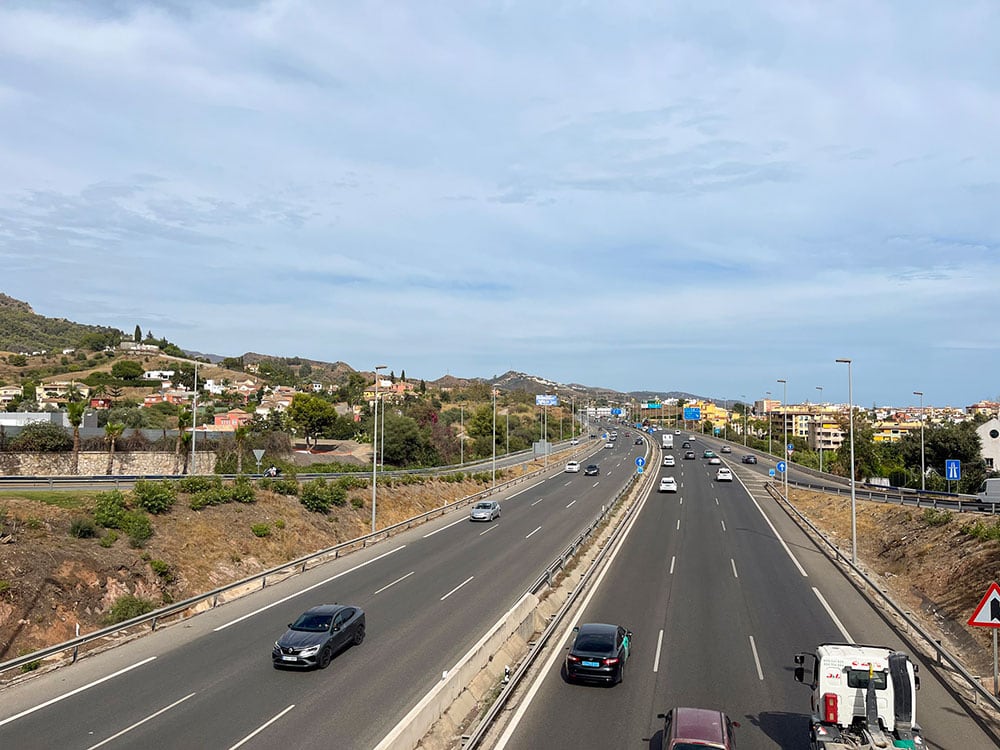
Transportation within Marbella isn’t the best. The buses only reach the main spots in Marbella: the centre and Puerto Banus. In addition to this, the buses aren’t very punctual.
Let’s say you’ll live on the upper side of Marbella; you’ll definitely need a car. Otherwise, you’ll struggle with public transport and will need a lift.
However, if you plan to visit other towns, transportation is better. Several bus routes leave from Marbella coach station.
Unfortunately, the RENFE Cercanías train (C-1) doesn’t reach Marbella. This is a downside compared to other Costa del Sol towns, which are better connected to Malaga and other locations.
Houses don’t have heating

Marbella has mild winters, but the temperatures drop in the evening, and you’ll probably feel cold.
Houses in Marbella and the rest of southern Spain aren’t prepared for cold weather. Therefore, they get cold as the evening approaches.
You’ll probably have to get more wrapped in clothes or buy a small portable heater, which obviously will only keep one part of the house warm.
There are even times that I feel colder at home than outside.
Cost of living in Marbella
Are you wondering, “What is the cost of living in Marbella?” Here are some examples of prices in Marbella:
- Food shopping: about 300.00 € per month
- Bus monthly pass: 36.37 €
- One-bedroom apartment in the city centre: from 950 € but usually 1000 € or more per month (price varies depending on the location)
- Utilities (heating, electricity, gas …) for two people: 100.00 € per month
- Internet: 28.75 € per month
One person estimated monthly costs: €1,700
The best places to live in Marbella

If you’re wondering where to live in Marbella, there are barely any bad places to live. Here you have some of the best areas:
- Centro histórico. Living near the old town of Marbella is a perfect choice for solo or couple expats. It’s a very convenient location as you have everything at one’s doorstep – from attractions and beaches to restaurants, supermarkets and a lively atmosphere.
- Nueva Andalucía. It’s one of the most extensive residential areas in Marbella. It comprises Puerto Banus, and it’s between San Pedro de Alcántara and the Golden Mile. You can find beautiful villas and houses here close to supermarkets, international schools, and golf courses.
- La Milla de Oro. Living in this area of Marbella isn’t for everyone, as it’s the most expensive and luxurious. However, you’ll love the Golden Mile if you want a lavish lifestyle. Here, you can find the best villas, high-scale restaurants and beautiful beaches. La Milla de Oro is also a trendy area among celebrities who have holiday homes.
- San Pedro de Alcántara, just outside Marbella, is also another popular location for expats.
Healthcare in Marbella
The healthcare system in Spain is free for Spaniards and expats who are registered and living in Spain.
When you move to Marbella, you can access public healthcare.
Nevertheless, you might want to opt for private clinics as these have shorter waiting lists and often offer better service (although not always!)
Some of the best hospitals and clinics for expats in Marbella are:
- Hospital Costa del Sol (public)
- Clinica Hospital Recoletas Salud Marbella (private)
- Hospital Quirónsalud Marbella (private)
Education in Marbella
One of the advantages of living in Marbella with children is that the education offered is very good. You can opt for public or private schools.
Let’s say you want to move from the UK to Marbella with your family, and you aren’t sure if you’ll live here forever or relocate to the UK.
You can enrol your kids in an international school. Most of them teach the British curriculum, so your kids will obtain British qualifications. This is much better than having to convert the Spanish to English qualifications, which are different.
By joining a British school, you’ll avoid your kids falling behind if you decide to go back to the UK or if they want to continue their higher education there.
Job opportunities in Marbella

Ideally, you want to learn Spanish to immerse yourself in the culture. However, fortunately, if you don’t speak Spanish, you can find very good job roles.
Marbella has a good percentage of English-speaking people, and many Spaniards in this area understand English well, especially those working in the tourism sector (one of the biggest in Costa del Sol).
As an expat, you have several job options:
- Work remotely for an international company. It’s probably the best-paid opportunity.
- Work in property lettings and sales.
- Become an English teacher in a private school.
- Work in the tourism sector.
- Be an au pair. This is ideal for those who don’t have much job experience and want to get a different experience.
- Work in the construction or cleaning sector.
Safety in Marbella

Is Marbella safe? The short answer is yes. It’s a safe place to live in Spain.
The crime rate is low, so you don’t generally need to worry about safety in Marbella.
Many residential areas include 24/7 security, and police regularly patrol the popular areas in the town.
Despite being safe, you always want to watch out for your belongings. This is especially important when you go to major events and visit touristy spots, like Plaza de los Naranjos and Puerto Banús, during the peak season.
Frequently asked questions about living in Marbella
Is Marbella a good place to live?
Yes, Marbella is a fantastic place to live for expats. It has beautiful weather, beaches, and a good quality of life.
Is Marbella safe?
Yes, Marbella is safe for travellers and future ex-pats.
Is Marbella an expensive place to live?
Yes, Marbella is more expensive than other towns in the Costa del Sol.
Why live in Marbella?
The vibrant lifestyle, beautiful beaches, friendly locals, sunny weather, and delicious food make it an excellent destination for expats.
Last thoughts on living in Marbella
Marbella is one of the best places to live in southern Spain. It has a laid-back atmosphere, fantastic weather, beautiful beaches and friendly locals.
If you have any questions about moving to Marbella, leave a comment or join my Facebook group, the perfect place to connect with others, too.
Cristina x
Save this article on the pros and cons of living in Marbella Spain on Pinterest for later

⭐ Mini Guide to Living Abroad
Should I get expat travel insurance?
ABSOLUTELY! — For your peace of mind, get your expat travel insurance with SafetyWing!
How do I get a job in Spain as an expat?
You can find work in Spain via job boards, word of mouth, or agencies. If you plan to work remotely, look for jobs on websites like FlexJobs.com. They offer 100% remote roles.
What’s the best way to open a bank account in Spain?
I’ve been using La Caixa Bank for many years. However, I love visiting other countries and spending some time there. So I found Wise, which offers free global accounts. It’s super convenient, and you won’t have to open accounts everywhere you move! You’re also guaranteed the cheapest money transfers.
How do you make friends in Spain?
I highly recommend using Facebook to connect with people. There are many Facebook Groups for expats in each city. Also, you can use Meetup.com. It’s free to join, and you can meet people who share a similar hobby as you!
What’s the best way to learn Spanish?
Go to language exchanges, use apps like Duolingo or sign up for online lessons on Preply. They’ll help you learn some Spanish before moving.
