Where is Costa del Sol? Everything You Need To Know

You’ve probably heard of Costa del Sol, but if you’re wondering “Where is Costa del Sol?”, this expert local guide has the answer.
First of all, the Costa del Sol, translated as the Coast of the Sun, is in southern Spain and includes towns along the coast of Malaga.
I was born and raised here, and I’m passionate about showing other travellers like you this beautiful part of Spain, which is much more than beaches.
In this ultimate Costa del Sol guide, you’ll learn about the location, towns, weather, traditions, and food.
This post contains affiliate links, and as an Amazon Associate, I earn from qualifying purchases. If you click through and purchase something, I receive a small commission on the price at no extra cost to you. This helps me keep the content up to date and make other improvements to the blog.
Where is Costa del Sol?

Costa del Sol (Coast of the Sun) is in the province of Malaga in Southern Spain.
Although there isn’t an official limit, it refers to the coast that stretches from the Gibraltar area, with Manilva as the last town in the province of Malaga, to the east side of Malaga towards Nerja.

Main destinations in Costa del Sol
Malaga
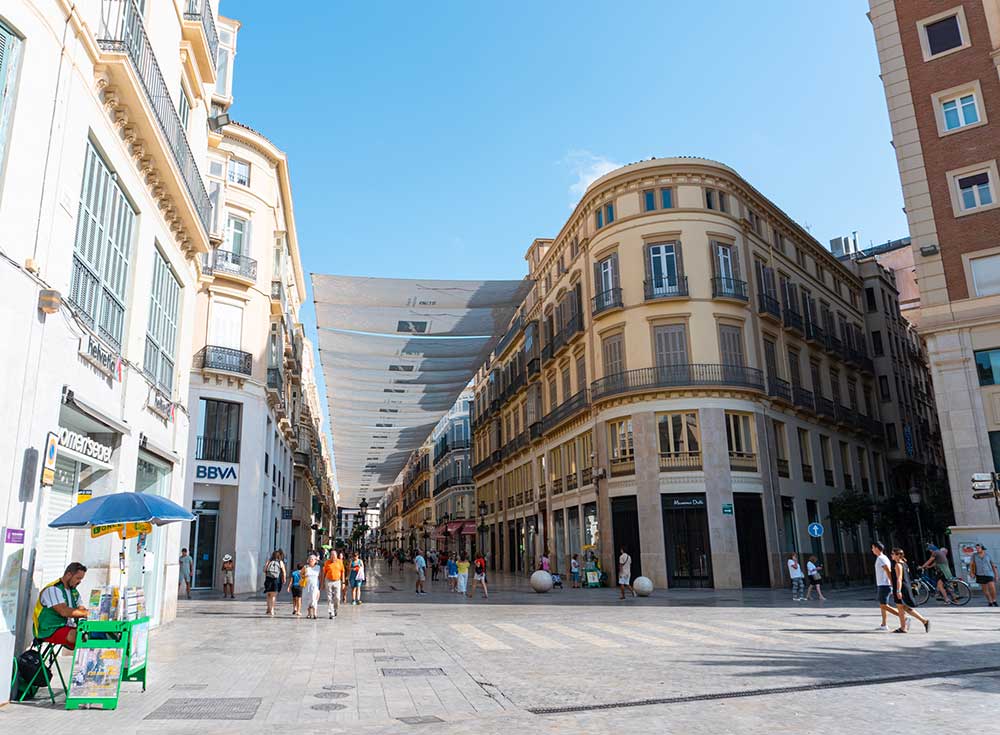
Málaga is the capital city of Costa del Sol and the most populated with locals and expats. It’s estimated that 595,000 people lived in Malaga in 2025.
The highlights of Malaga include La Alcazaba, a beautiful historical palace and fortress that dates back to the Moorish period, Malaga Cathedral and the Picasso Museum.
All of them are in the historic centre, which is the main area you want to explore if you love sightseeing.
I recommend choosing Malaga over other destinations in Costa del Sol if you’re a history buff because you can visit palaces, castles and numerous museums.
Nerja

My favourite Eastern Costa del Sol town is Nerja. It has incredibly beautiful natural landscapes, including beaches, a nearby natural park and mountains.
The beaches in Nerja are the best in Costa del Sol, without a doubt. The water is crystal clear, the facilities are good, and the surroundings are even better. If you’re into snorkelling and kayaking, this is your place.
When it comes to attractions, Nerja Caves are a must-see. I’ve been a couple of times and was amazed by the stalactites. However, I recommend exploring Nerja Historic Centre and visiting the local museum.
Nerja is a 10-minute drive from one of the prettiest towns in Costa del Sol, Frigiliana, so this is a short excursion you can easily take in half a day. It reminds me of the Greek Islands, like Santorini, with its white-painted houses with turquoise doors and gorgeous streets home to friendly cats.
Torremolinos

Torremolinos is one of the closest beach towns to Malaga-Costa del Sol Airport (AGP), and it’s the best place to stay in Costa del Sol because of its location.
The airport is less than a 10 minute drive, and you’re close to Malaga City and other fantastic resorts like Benalmadena and Fuengirola.
The town was well-known as a small fishing village, but tourism in the 80s and 90s completely changed it. You can find anything you would expect a beach town to have, from beach clubs and fantastic hotels to restaurants and attractions.
The beaches are the number one attraction in Torremolinos and are perfect for all ages. I often visit Los Álamos with my family, but La Carihuela has to be the best beach in Torremolinos.
Other attractions in the town include Casa de Los Navajas, Torremolinos Historical Centre, Parque de la Batería (Battery Park) and the famous Aqualand water park.
Benalmadena

Benalmadena is also on the top list of the most visited beach resorts in Costa del Sol.
This fact is unsurprising because the town is home to plenty of family-friendly activities, from visiting the SEA LIFE aquarium and Parque de la Paloma to the Butterfly Park and Castillo de Colomares.
There are plenty of things to do in Benalmadena, but you also have the option of going on fun excursions to Mijas Pueblo, Fuengirola’s Zoo (Bioparc), and Gibraltar.
Also, let’s not forget its golden sand beaches and fantastic accommodation options.
Fuengirola
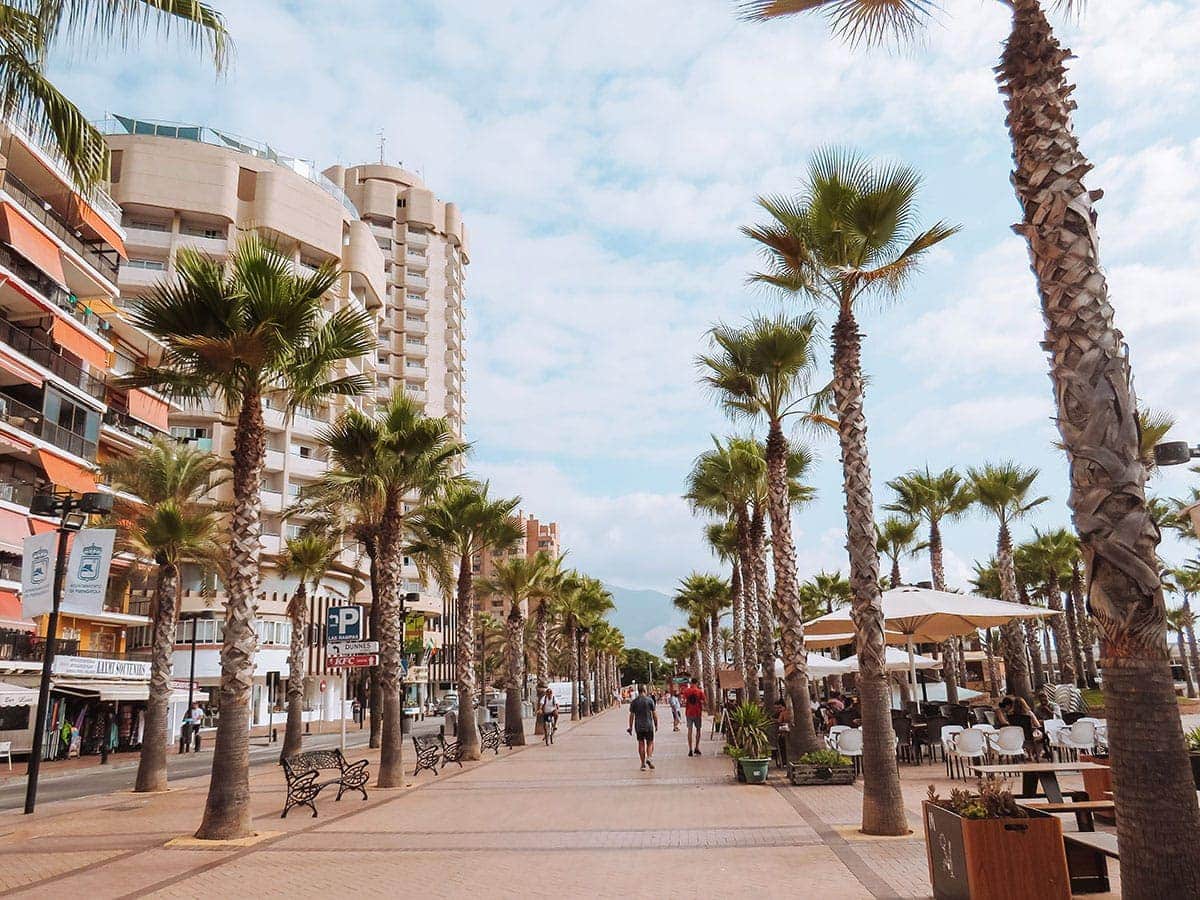
Tucked between Benalmadena and Mijas, Fuengirola is a hub for expats and travellers in Costa del Sol.
The highlight of Fuengirola is its fantastic coastline, which is home to beaches with facilities and activities for all ages.
Nevertheless, that isn’t the only thing to do in Fuengirola. You can visit the castle (Sohail Castle), go to one of the biggest street markets in Costa del Sol, stroll along the beach promenade, where you can spot important statues, and attend international events.
Mijas
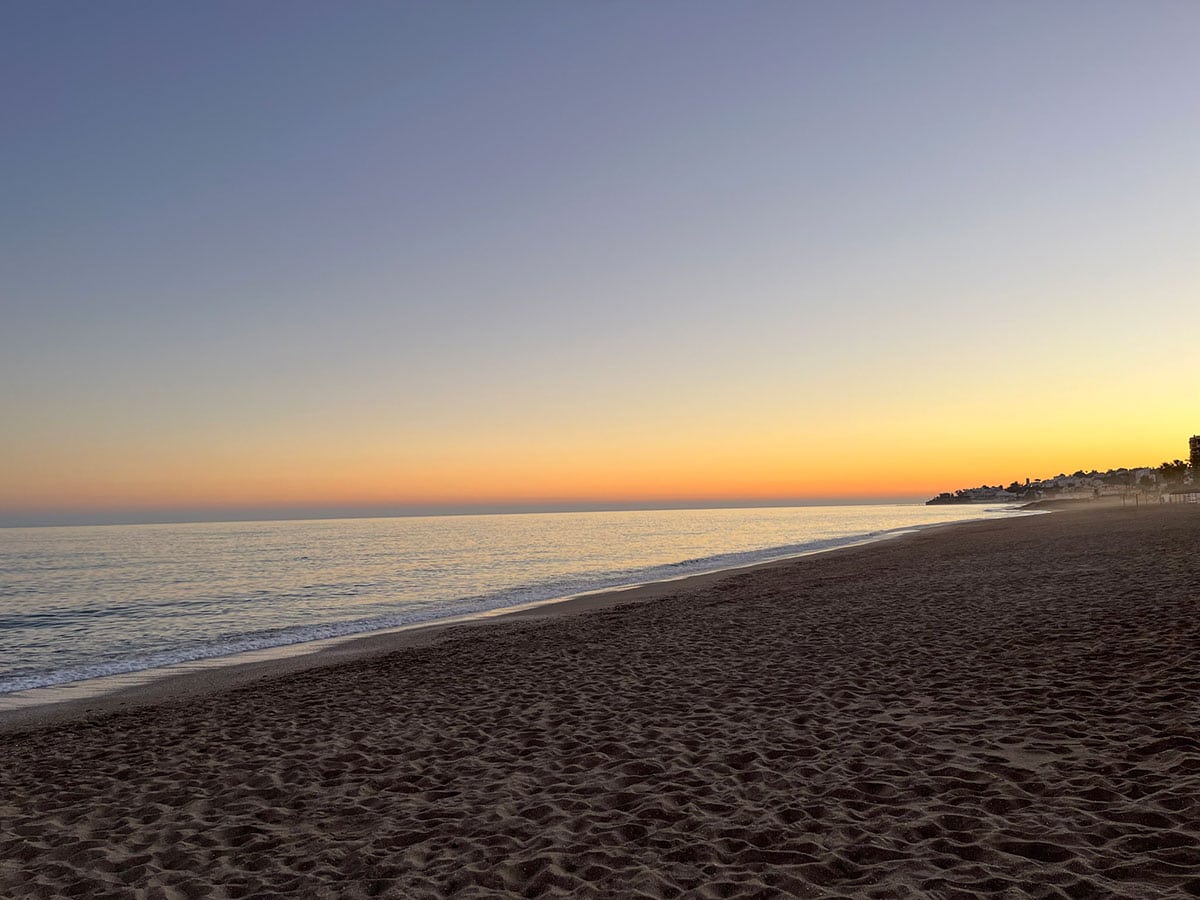
Mijas is divided into two parts: Mijas Costa and Mijas Pueblo. Mijas Costa refers to the area located next to the beach, whereas Mijas Pueblo refers to the small village on the mountainside.
Both areas have different activities to offer and are equally worth visiting. Mijas Costa is perfect for relaxing, so if you’re looking for a laid-back holiday by the beach, this is the place to stay.
However, if you want to immerse yourself in the culture, sightsee and be more active during your holiday, Mijas Pueblo is the one for you.
Although the beaches in Mijas Costa are spectacular, Mijas Pueblo is one of my favourite villages in Malaga.
You can take in the views from its viewpoints, wander its cobblestone streets with pretty flowerpots on the walls, visit the local museum or book a chocolate-making experience at Mayan Monkey Mijas.
Marbella

Marbella is one of the largest towns in Costa del Sol. It’s divided into different areas, including Elviria, Cabopino, Marbella city centre, Puerto Banus and San Pedro de Alcantara.
It has a reputation for its 5-star beach resorts, its luxury port with international high-end boutiques like Gucci and Dolce & Gabbana, and golden sand beaches.
Although beaches and shopping might be two reasons to visit Marbella, they aren’t the only ones. My favourite spot is the historic centre of Marbella; it feels like a maze, with its narrow cobbled streets, independent shops, restaurants, and important historic buildings like Marbella Castle.
Other great activities in Marbella include relaxing at a beach club, riding a bike on the beach promenade, taking a tapas tour and watching a flamenco show.
Estepona

An underrated destination in Costa del Sol is Estepona. This charming coastal town has a lot to offer, including a visit to Costa del Sol’s most beautiful historic centre. Despite having a soft spot for Marbella Historic Centre, I have to admit Estepona Historic Centre has more to do and see.
Within the old town, you can roam through the most picturesque streets and see amazing local street art and sculptures.
Other attractions to add to your list are the Orchidarium, Estepona’s port and Selwo Aventura.
Manilva
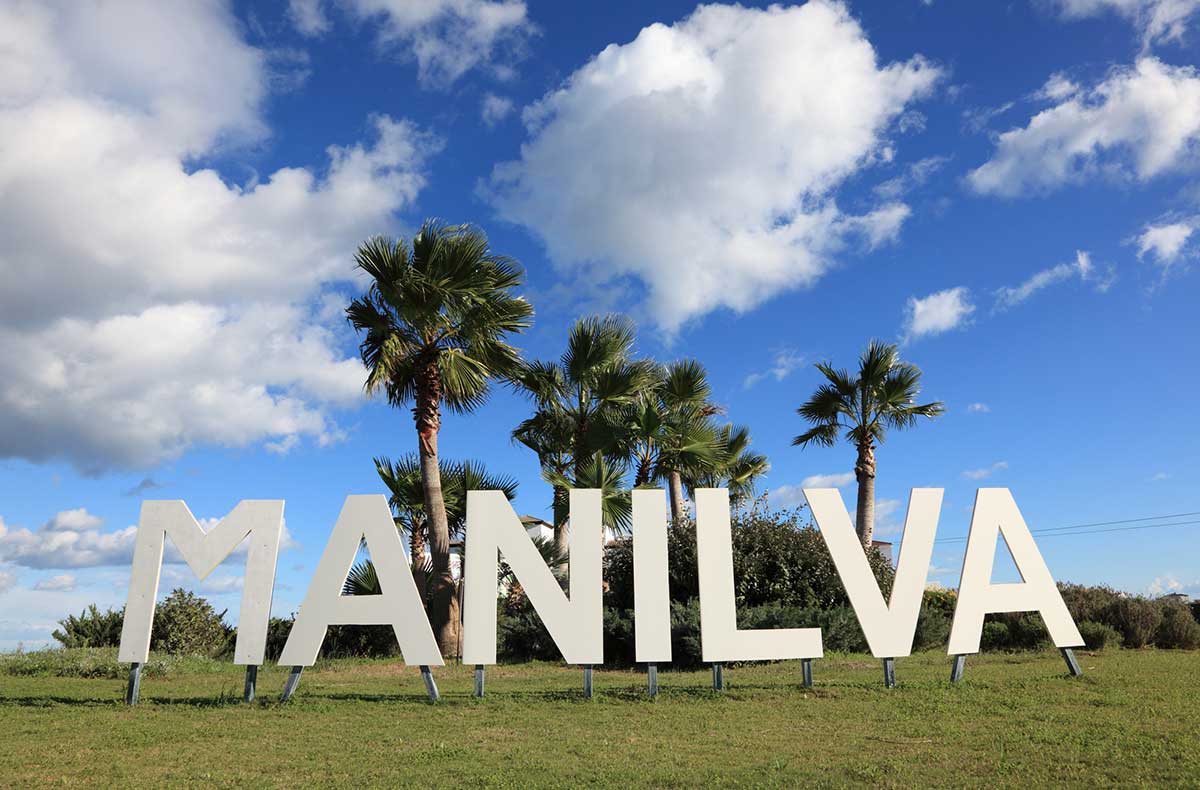
Bordering Cadiz, it’s one of the last towns in the province of Malaga.
It isn’t as popular as Benalmadena or Marbella, so I can confirm that Manilva is a hidden gem in the Costa del Sol and has unique things to discover.
Its main attraction is Castillo de la Duquesa, an 18th-century castle on the site of a former Roman villa. It was built to protect the town from pirate attacks and is now an important historical building.
You can also visit the town’s church and square, its street markets, and its beautiful port.
Nevertheless, I wouldn’t miss the opportunity to spend time on its crystal-clear beaches.
Rincón de la Victoria
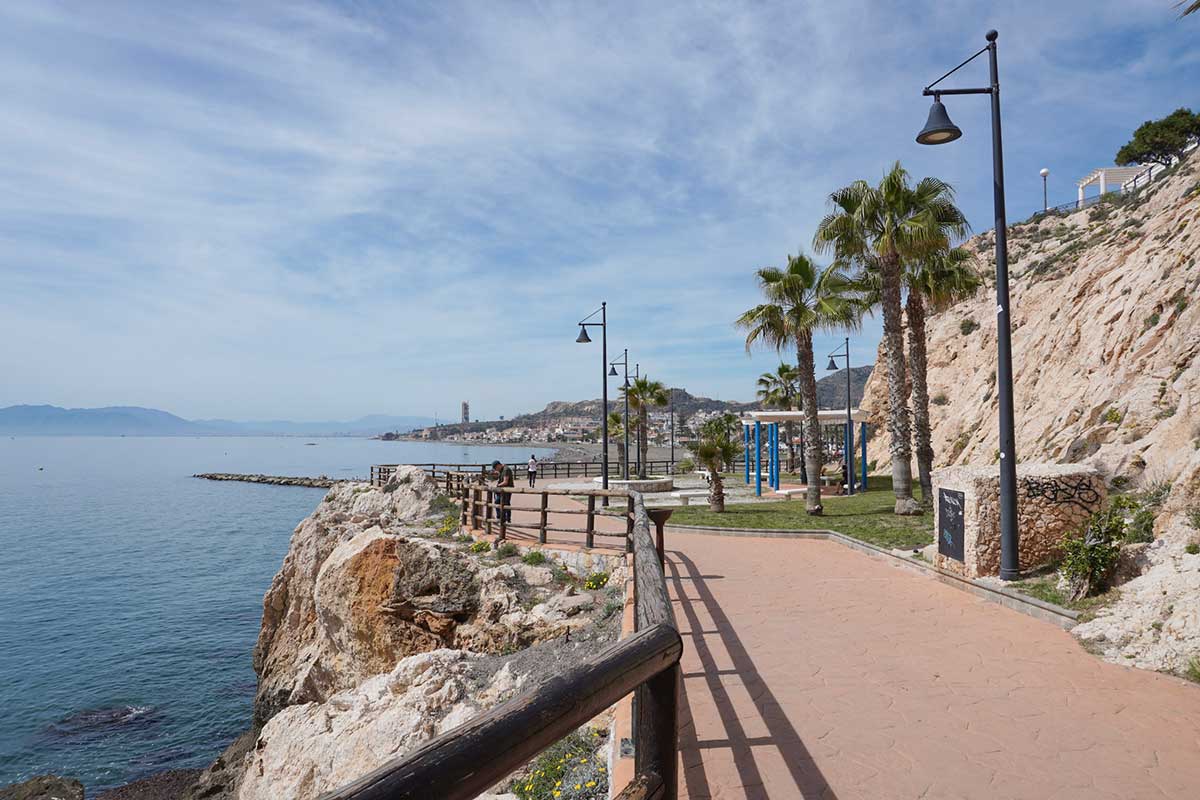
Rincón de la Victoria is the first town in the Axarquía region that belongs to Costa del Sol Oriental, referring to the eastern part of Costa del Sol.
The town has great attractions that you should visit. For example, Cueva del Tesoro, an extraordinary cave with important archaeological remains from the Palaeolithic and the Bronze Age.
Other important buildings are Villa Antiopa, Nuestra Señora del Rosario Church and Torre de Benagalbón.
With a 9-kilometre coast, Rincon de la Victoria is also home to many fantastic beaches and water activities to enjoy during summer. However, it’s worth visiting year-round.
Vélez-Málaga
Vélez-Malaga is the main coastal town of the Axarquia region. Its stunning coast and numerous monuments make Velez-Malaga worth visiting.
What I love about this town on the east coast of the Costa del Sol is its authenticity and its smaller crowds.
Wander its historic centre, where past meets present, and you can enjoy an array of important monuments and architectural buildings; stroll along the lovely Torre del Mar beach promenade and eat delicious fried fish.

Torrox
Torrox is well-known for being the town with the best climate in Europe. With an average annual temperature of 18 degrees Celsius, there’s plenty of sunshine to relish. Its natural surroundings are gorgeous, with cliffs, coves, and tall mountains.
Visit its historic centre, discover its Roman ruins, see its lighthouse, or embark on an adventure, like hiking.
With Nerja and Frigiliana around the corner, you can also explore them on a day trip.
What’s the weather like in Costa del Sol?

The short answer is sunny and warm. It has approximately 300 days of blue skies.
Summers are hot and dry. You can expect an average temperature of 30 degrees (86ºF). However, it’s completely normal to experience days when the thermometer reaches 35 to 40 degrees (39.2ºF).
Winters are mild, but bear in mind that the temperature difference between day and night is usually significant. For example, the average temperature in December is 17 degrees (62.6ºF) during the day and 9 degrees (48.2ºF) at night.
Overall, the Costa del Sol is dry year-round, but November, February and March are the rainiest months.
What about snow? No, it doesn’t snow in Costa del Sol, but it does snow in its nearby natural parks.
Attractions

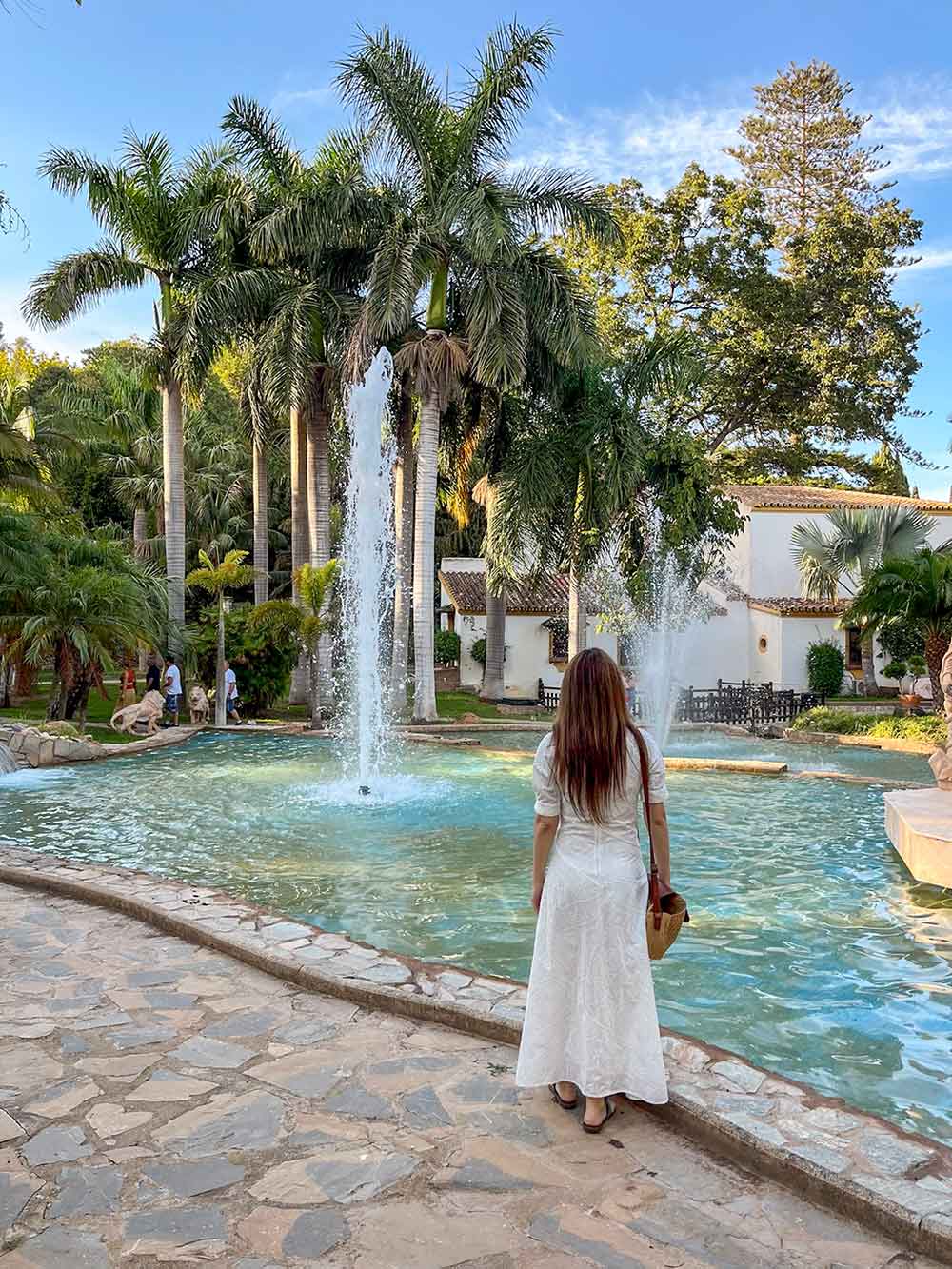
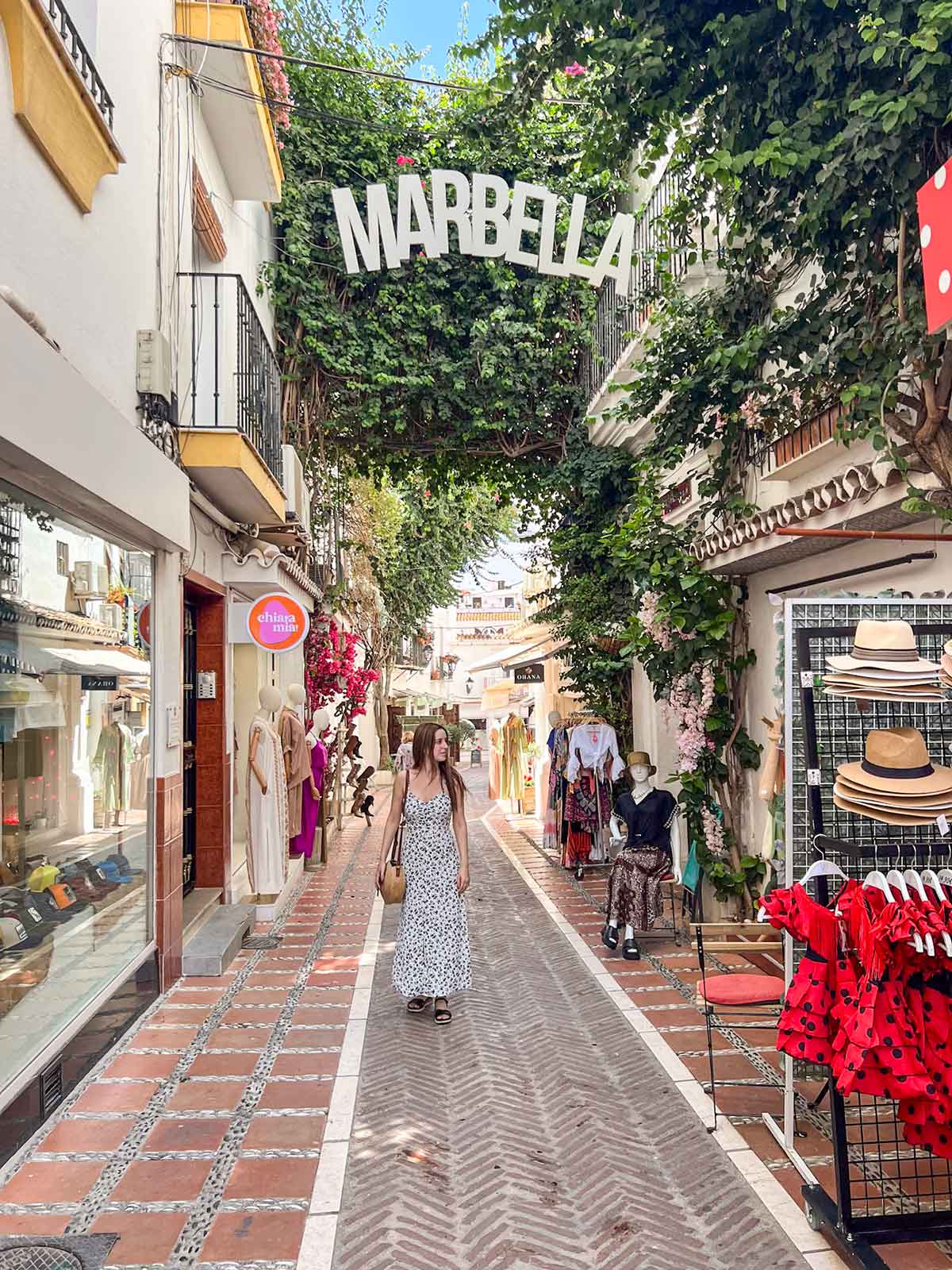

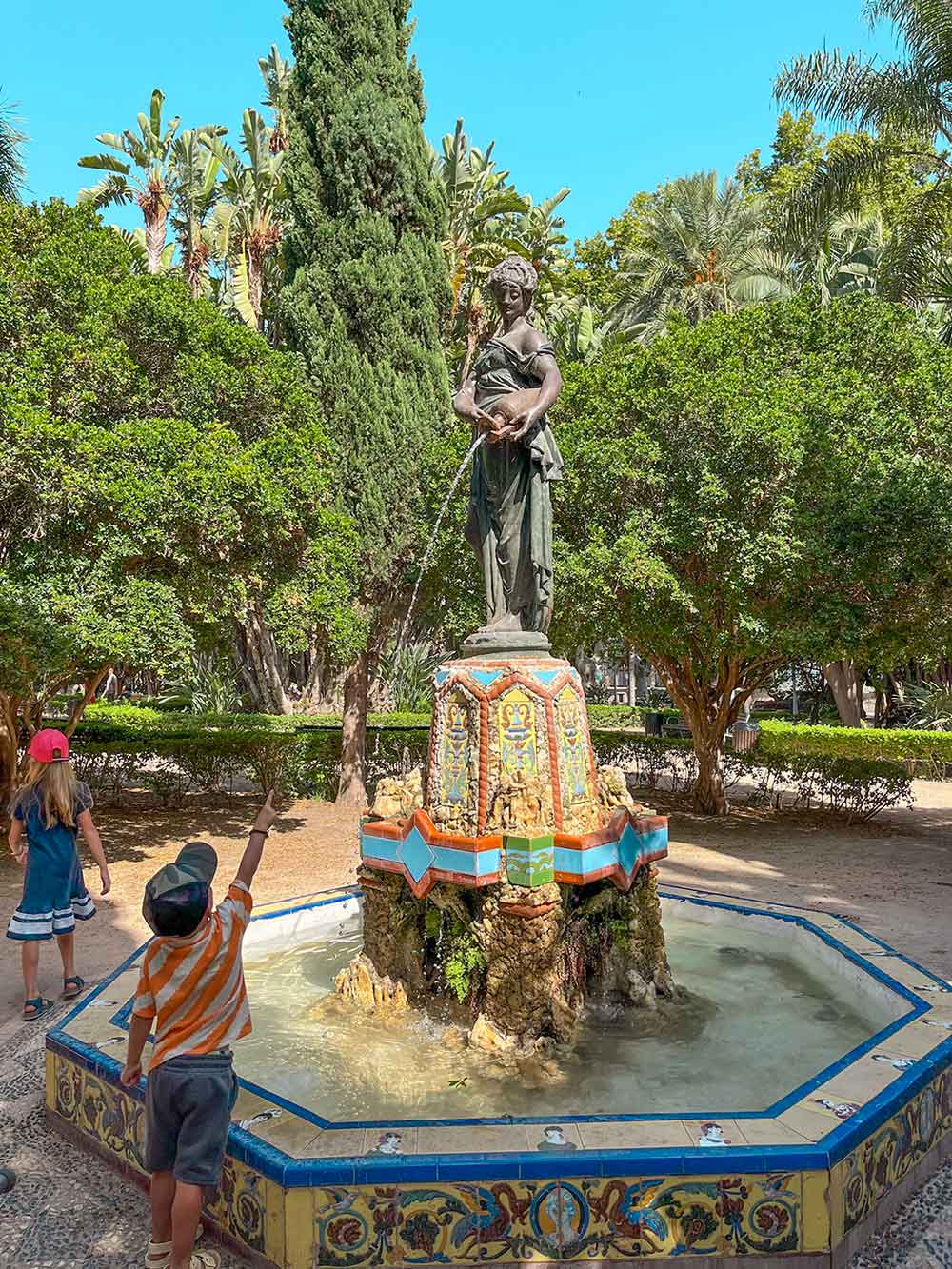
Despite its extensive coastline, Malaga and the other towns of the Costa del Sol offer incredible attractions. Here is a list of the top attractions sorted by towns:
Malaga
- Alcazaba and Roman Theatre
- Malaga Cathedral
- Gibralfaro Castle
- Picasso Museum
- Carmen Thyssen Museum
- Parque de Málaga
- Muelle Uno
Torremolinos
- Casa de los Navajas
- Aqualand and Crocodile Park
- Parque de la Batería
- Molino de Inca Botanical Garden
Benalmadena
- Puerto Marina
- SEA LIFE
- Selwo Marina
- Parque de la Paloma
- Butterfly Park
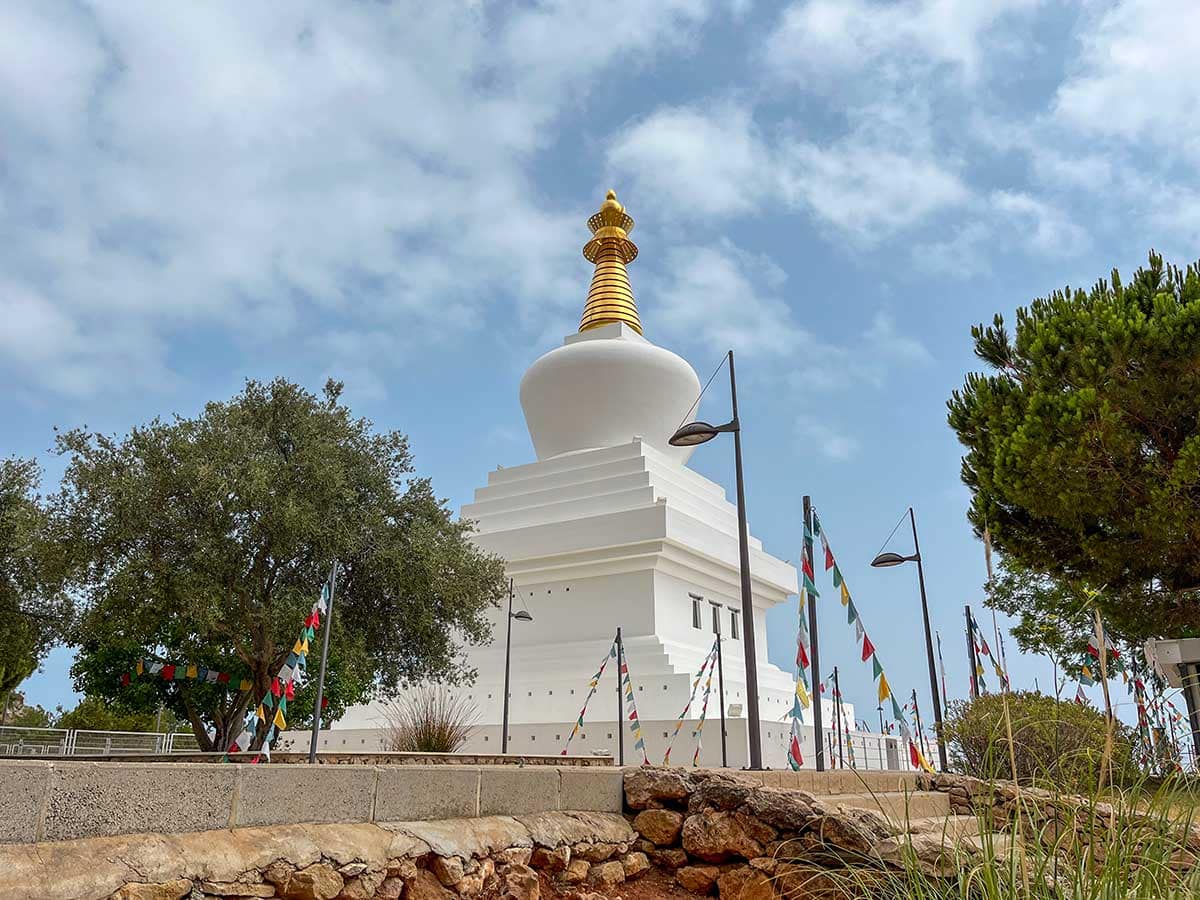
- Buddhist Temple
- Colomares Castle
Fuengirola
- Bioparc Fuengirola
- Costa WaterPark
- Sould Park
- Sohail Castle
- Art street route
Mijas
- Local Museum
- Miniature Museum
- Ermita de la Virgen
- Mayan Monkey Mijas
Marbella
- Marbella old town
- Spanish Engravings Museum
- Parque de la Alameda
- Ralli Museum
- Puerto Banus
Estepona
- Estepona old town
- Estepona marina
- Orchidarium
- Selwo Aventura
Nerja
- Nerja Caves
- Nerja old town
- Balcon de Europa
Gastronomy
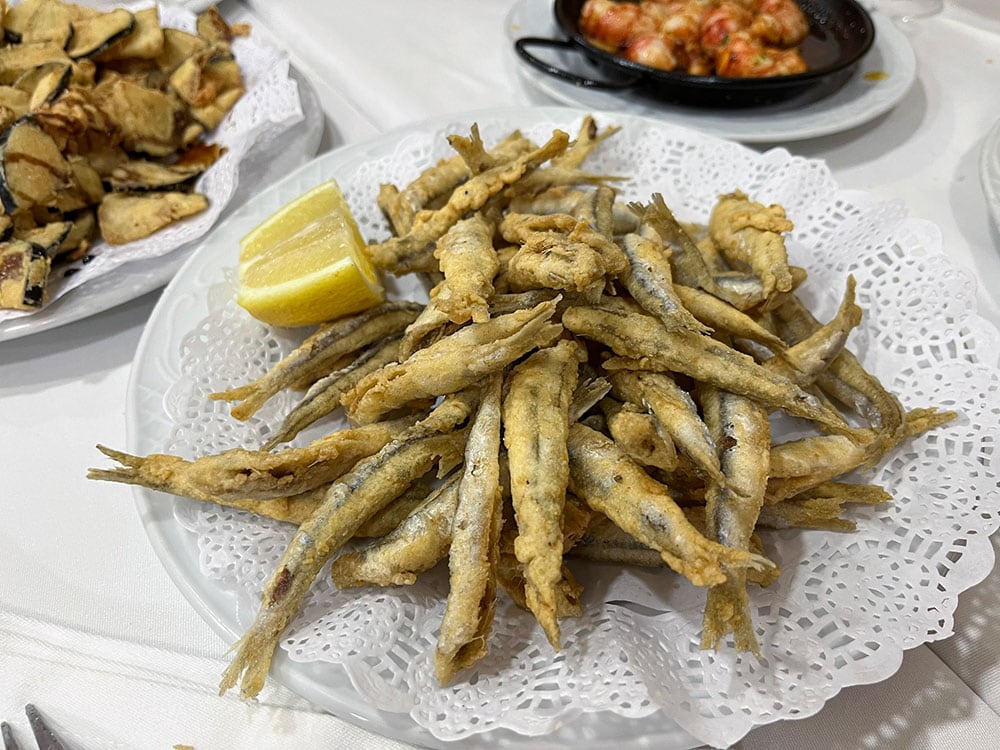
Like Andalusian cuisine, Costa del Sol’s gastronomy has been influenced by other cuisines, such as Arabic.
The star ingredients are locally sourced fish and seafood. Typical fish in Malaga include anchovies, sardines and monkfish, and these are present in many dishes like gazpachuelo, a fish soup with potatoes and mayonnaise, pescaito frito, a combination of fried fish and seafood, and espetos, grilled sardines.
However, when you visit inland towns in Malaga, you’ll also find traditional meat-based dishes.
It’s also worth mentioning wine, as Malaga province has excellent wineries, especially in the Ronda and Axarquia regions. I highly recommend trying Malaga’s sweet wine, but there are other types of wine to taste.
Festivals

If you’re all about immersing yourself in the culture, I get you. I’m the same, and festivals give us a taste of the local culture and traditions.
Luckily, we have many traditional events in Costa del Sol, so I suggest checking out the calendar before travelling. I’m going to tell you about the biggest events in Costa del Sol, but each town also has smaller fairs and events, usually held in spring and summer.
Semana Santa
Semana Santa (Holy Week), celebrated at the end of March or beginning of April, is big in Southern Spain and Costa del Sol.
Religious parades take place in every town across the coast. However, if you want to see the parade on a bigger scale, you must go to the ones in Malaga city centre. The atmosphere and religious floats are like no other.
If you visit Costa del Sol during Easter, I suggest trying the torrijas. They are similar to French toast, and they are to die for. You’ll find them in many bakeries at this time of the year.
Feria de Agosto
Feria de Agosto, also known as Feria de Malaga, is the biggest traditional event in Costa del Sol. The fair takes place in the city of Malaga during the second week of August and usually lasts 7 to 8 days.
During the afternoon, you can go to the “Feria de Día” (Day Fair), which is in Calle Larios. Locals wear traditional dresses and suits, dance malagueñas (a type of flamenco dance but typical of Malaga), and eat and drink Cartojal wine.
In the evening, you can go to the “Feria de Noche” (Evening fair) next to the Congress Palace. The fairground is packed with rides for kids and adults, an auditorium for concerts and many stalls where you can grab food, drink and dance.
How to get to Costa del Sol
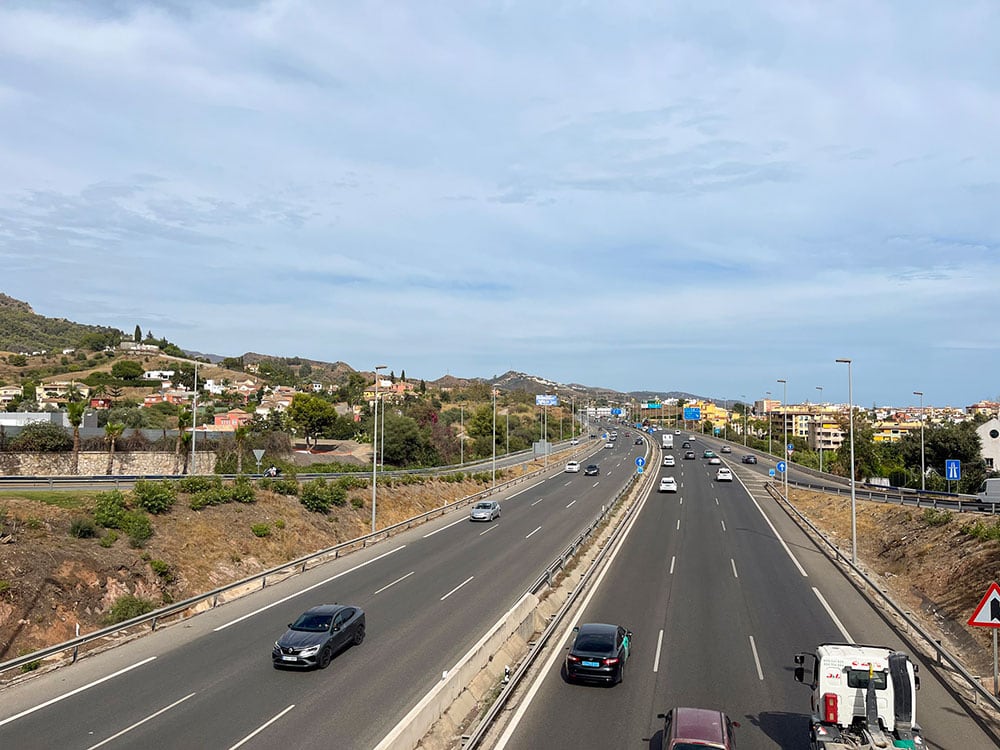
The easiest way to travel to Costa del Sol from overseas is by plane, and the closest airport is Malaga-Costa del Sol Airport (AGP), one of the largest airports in Spain.
Malaga Airport has many routes across Europe and Africa, so it’s worth checking if there are any direct flights from your departure destination.
If there aren’t direct flights, search for flights to Seville or Madrid Airport, from which you can take the RENFE train to Malaga María Zambrano station.
“What about getting around Costa del Sol?” I often advise renting a car because it gives you more freedom to travel to all the destinations mentioned in this article and nearby hidden gems.
The only time I wouldn’t recommend renting a car is if you only plan to visit Malaga City for a few days. You can walk to most places or take public transport.
Frequently Asked Questions About Costa del Sol

What country is Costa del Sol in?
Costa del Sol is in Southern Spain.
What is the Costa del Sol known for?
Costa del Sol is mainly known for its beaches, sunshine and golf.
What is Costa del Sol like?
Costa del Sol is a fantastic destination to visit in Spain. It has beautiful beaches and many attractions for all ages, delicious food, and cultural activities.
Is Costa del Sol expensive?
No, however, travelling off-season and knowing where to eat and sleep can help you save lots of money. Also, some coastal towns are cheaper than others. For example, Torremolinos is more affordable than Marbella.
Is Costa del Sol worth visiting?
Yes, Costa del Sol is worth visiting for many reasons, including its gorgeous sunny weather, blue flag beaches, family-friendly attractions, delicious fish and seafood dishes, fun day trips, and, of course, culture.
What is the closest airport to Costa del Sol?
The closest airport to Costa del Sol is Málaga-Costa del Sol Airport.
Conclusion on this Costa del Sol guide
I hope this ultimate guide to Costa del Sol from a local has inspired you to travel to this beautiful area of Spain.
If you want more help planning your trip, check out my custom travel planning services.
Enjoy your time in Costa del Sol!
Cristina xx
Save this guide on where Costa del Sol is on Pinterest for later
Top things to do before visiting Costa del Sol
- Compare and book cheap flights to Malaga Costa del Sol Airport with Skyscanner.
- Read this Malaga food guide to indulge yourself in eating the best typical food in the area.
- Check out day trips and excursions with Get Your Guide.
- Book free walking tours with GuruWalk.
- Rent a car to travel with ease around the Costa del Sol.
- Book travel insurance for your trip. It’s a must for any holiday.
