The History of Marbella: A Journey Through Time
Every town and city has a history, and yes, Marbella isn’t as famous for its history as bigger Andalusian cities. Nevertheless, I found it very interesting to learn about Marbella’s history.
Despite being from the area and knowing Marbella very well, it wasn’t that long ago when I decided to learn about Marbella’s history.
I wish we had learned more about our city’s history at school instead of focusing on the country as a whole, but surely, we don’t appreciate it much when we are kids.
Going back to Marbella’s history, I’m going to cover some interesting facts about the city and its past, including its name, origin, and legends.
This post contains affiliate links, and as an Amazon Associate, I earn from qualifying purchases. If you click through and purchase something, I receive a small commission on the price at no extra cost to you. This helps me keep the content up to date and make other improvements to the blog.
The history of Marbella
The old Marbella
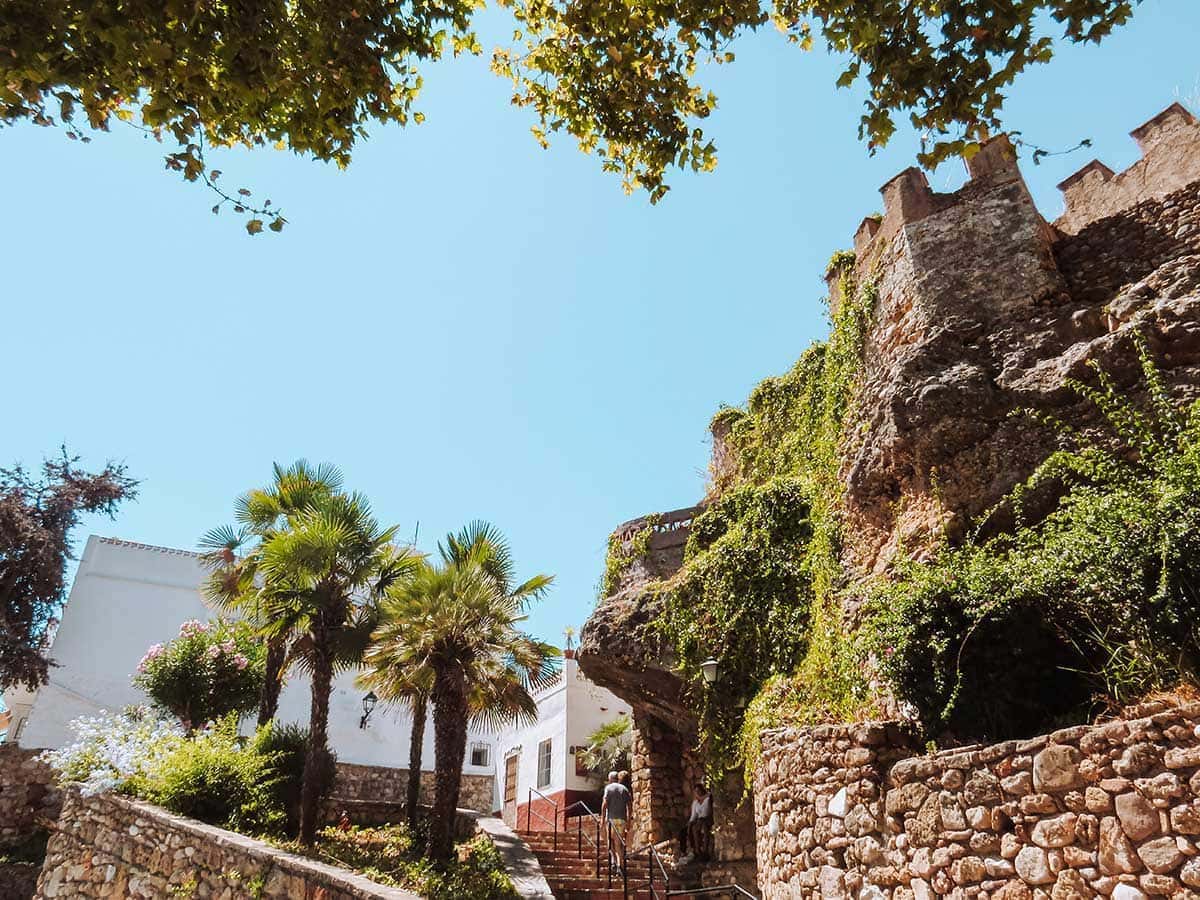
What we know as the old town and its surroundings were all within a city wall, and you can still see its remains.
The city was built in 700 and used to belong to Al-Andalus, one of the biggest kingdoms in Spain.
Marbella was a very important geographical location because of its proximity to the sea, the African continent, the mountains, and other major cities like Malaga and Granada.
It was built beneath La Concha, the highest peak you can see from Marbella, to provide greater protection from the Christians. However, it still protects us nowadays. You might wonder how. Well, it protects us from the weather. This is why it never gets too hot or cold in Marbella. It has a microclimate.
If you go to Avenida del Mar, you’ll notice the inclination between the historic centre and the beach, which was built to keep an eye on the coast.
We have a Spanish saying, “No hay moros en la costa,” which originated at the time and means there are no moors on the coast.
During the Moors’ time in Marbella, they designed the old town to protect them from future attacks but also to make life more difficult for future civilisations.
This is why you can see some very narrow streets, so others would struggle to walk around them or transport things. An example of this is Calle Gloria, which happens to be one of my favourite streets.
Marbella was Christianised on the 8th of June 1485 when Isabel and Fernando arrived in the city. The Moors heard that Isabel and Fernando’s kingdom had killed many people in other nearby cities, like Ronda. Therefore, they tried to negotiate with them so they wouldn’t be killed.
They were asked to stay in Marbella rather than be relocated elsewhere, as they liked life there. Fernando agreed to this, but he had a few conditions. They would have to convert to their religion (Christianity), live on the outskirts, and work in the fields.
As you walk into the old town, pay attention to the buildings and walls; you’ll see small chapels. These were incorporated across the old town to remind them of their new religion.
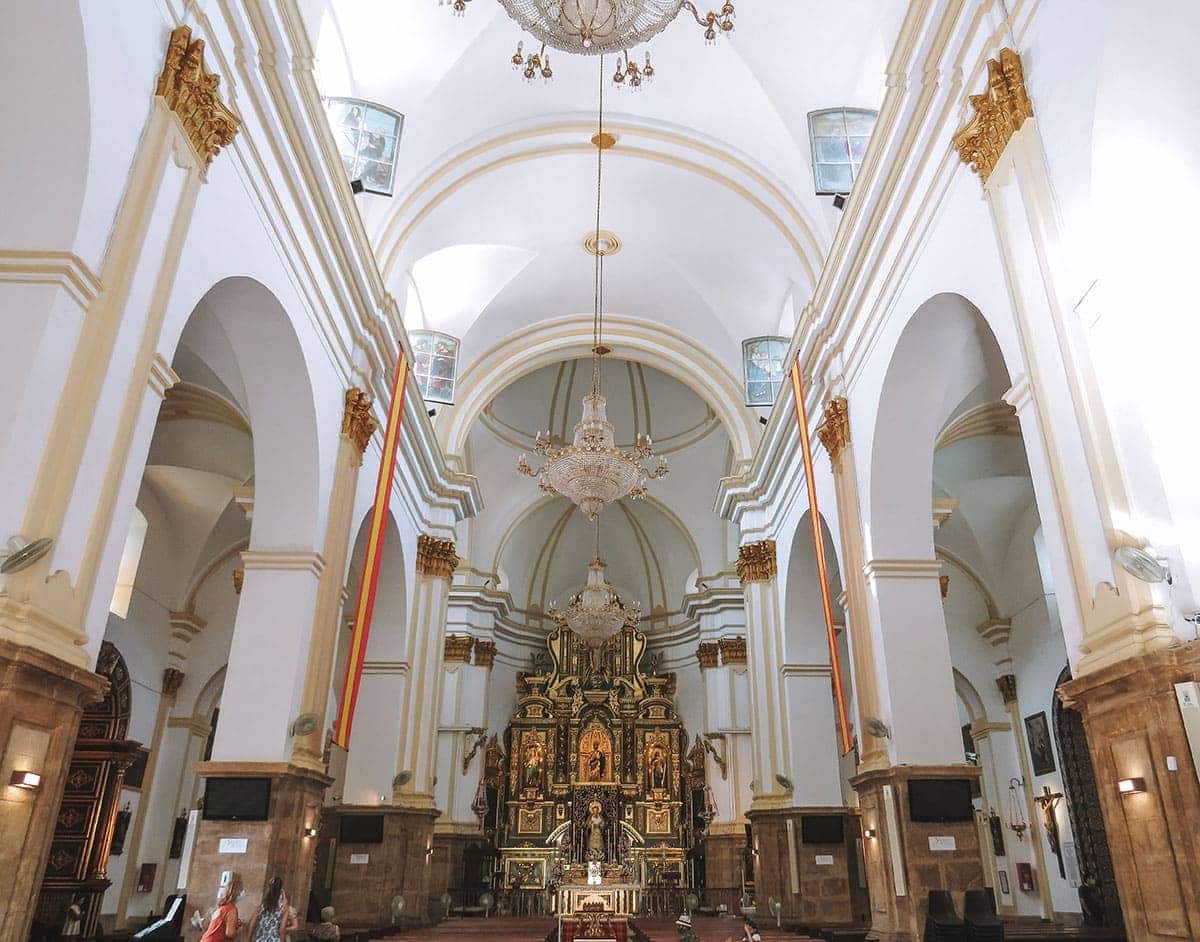
During the Moors’ time in Marbella, they built numerous mosques in the historic centre.
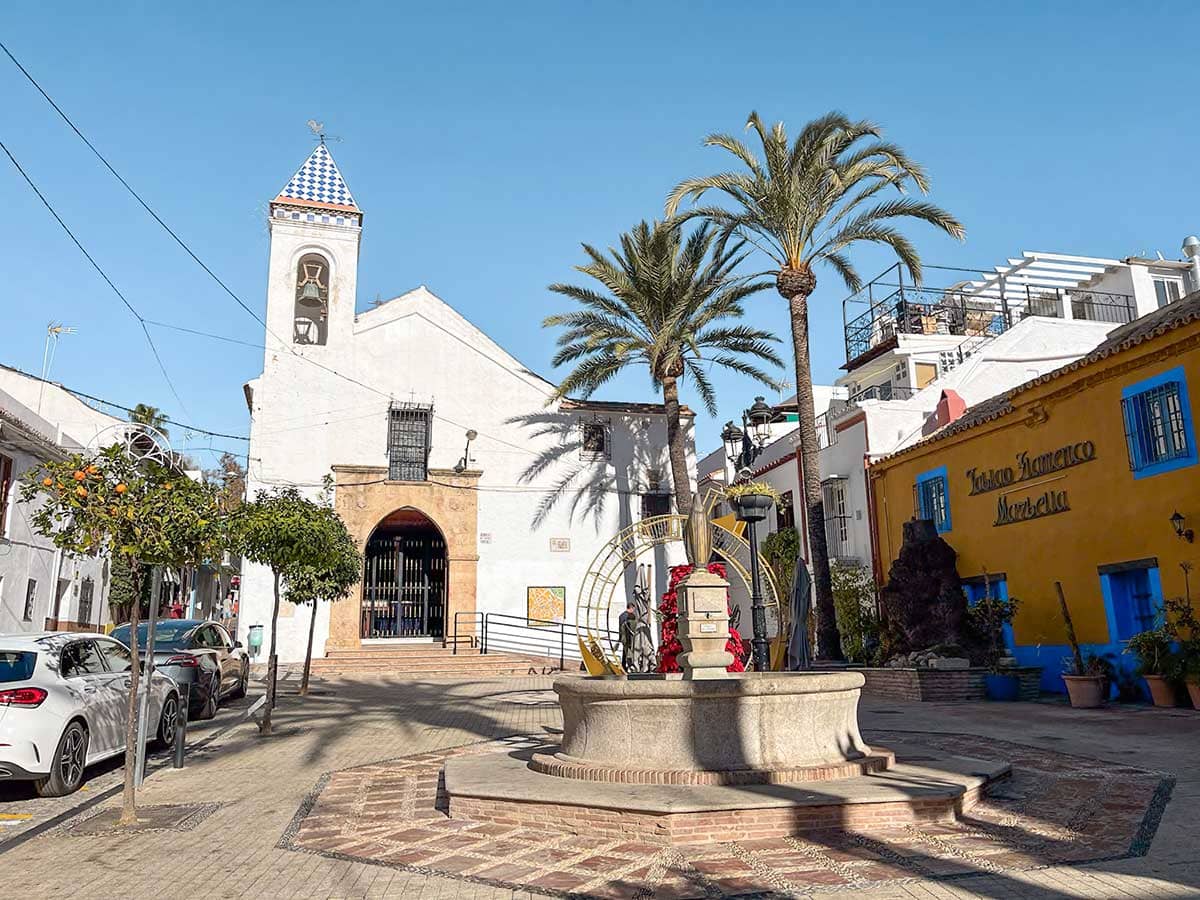
How do you know a church was formerly a mosque, you ask? Well, there is always a fountain and probably orange trees next to it. The Moors used to wash their hands and feet before entering the mosque, and also used oranges as a scent.
The Christians didn’t change many of these mosques and buildings. Instead, they slightly changed some elements to make them a Christian.
Ermita del Santiago, located in Plaza de los Naranjos (Orange Square), was the first Christianised church and a clear example of how Christians didn’t complicate themselves by demolishing and building a brand-new church. It doesn’t face the square.
Plaza de los Naranjos is another important location in the old town. It was the hub of news and meetings, and it was where those who didn’t listen to or follow the rules were executed.
Iglesia de la Encarnación is another former mosque in Marbella. The Christians left their tower and adapted it by adding a bell and a cross to the fountain next to it.
During these times and the discovery of America, they brought non-native plants to the area, and you can see them in the famous Alameda Park. You’ll find tropical plants and banana trees.
Are you planning a trip to Marbella?
Check out my free Marbella bucket list and other resources on Costa del Sol.
The modern Marbella
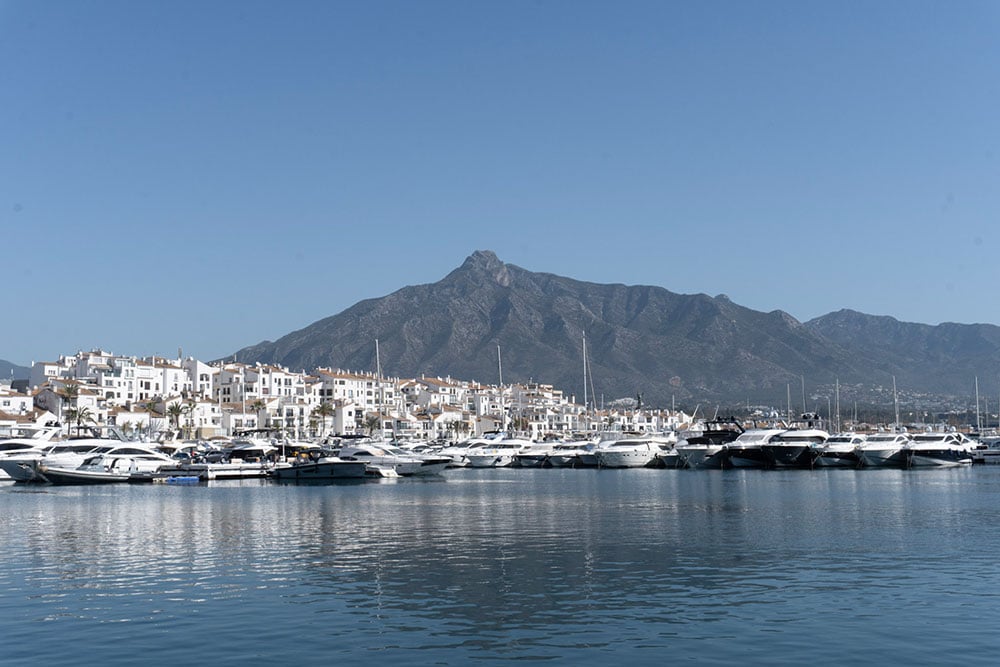
In the 19th century, Marbella was the main producer of iron and steel in Spain, thanks to some of the most powerful ovens in the country. It accounted for approximately 75 per cent of Spain’s iron production. However, this didn’t last long as Northern Spain developed faster and better.
During these times, Marbella was also important for the agriculture sector. It was a hotspot for growing sugar cane, honey, and beetroot.
The Spanish Civil War had a negative impact on Marbella, but unlike other cities, it experienced a boost in its economy from the 40s because of tourism. Ricardo Soriano was one of the first people to invest in Marbella by building a residential complex in the city.
Around this time, emblematic hotels like El Fuerte Marbella and Don Pepe were built.
Don Alfonso de Holenlohe and Don José Banús were actually the two people who made Marbella a tourist destination. They invested in the city by building exclusive hotels like the Marbella Club Hotel, golf courses and one of Spain’s most luxurious ports: Puerto Banús.
Since the 1980s, Marbella has become one of the most visited cities in Costa del Sol, and it’s no surprise that it attracts so many travellers.
The city’s main sector is tourism, and it was recognised as one of the best European destinations to visit in 2024.
Although many people think Marbella is expensive, prices really depend on where you live and where you eat and drink.
In my opinion, Marbella is much more than 5-star resorts and luxurious beach clubs, and I always encourage everyone to visit my favourite part of the city: its historic centre.
Top historical places not miss in Marbella


Now that we’ve talked about the history of Marbella, I’m going to tell you the historical spots and other places of interest you need to add to your Marbella itinerary:
- Plaza de los Naranjos
- Castillo de Marbella
- Iglesia de Nuestra Señora de la Encarnación
- Ermita de Santiago
- El Balcón de la Virgen (located in Calle Virgen de los Dolores)
- Capilla San Juan De Dios
- Calle San Lázaro
- Parque de la Alameda
- Puerto José Banús (Marbella’s most exclusive port)
If you prefer to explore the town with a guide, I recommend my VoiceMap walking tour, which covers most of the places I’ve mentioned above. It’s about 40 minutes and mostly takes place in Marbella Old Town.
Short FAQ about Marbella
What is the best place to sightsee in Marbella?
The historic centre. Here you’ll find Marbella Castle, the town hall located in the famous Orange Square and other sights.
What are the best historic hotels in Marbella?
The best historic hotels are El Fuerte Marbella, Hotel Don Pepe Gran Meliá, La Fonda Heritage Hotel, Relais & Châteaux, and Marbella Club Hotel.
Is Malaga or Marbella better for sightseeing?
Malaga has more historical places and museums than Marbella, so it’s better for sightseeing.
Conclusion about Marbella’s history
As you’ve read above, Marbella has quite a bit of history that is worth learning about, and I hope it has inspired you to explore the city.
If you’re still not quite convinced, I recommend reading my article on the most interesting facts about Marbella and the top reasons you should come.
I truly think the best way to learn more about Marbella is to book a walking tour of the old town.
Are you excited to explore Marbella? Let me know in the comments below.
Cristina x
Save this article about the history of Marbella on Pinterest for later

